
A wire product's finish is the first thing a customer sees and the first thing that fails. The same iron wire basket can rust in a bathroom within months — or last for years — depending entirely on how it is coated. Finish also moves the price more than any other single option.
For bathroom shelves, kitchen racks, storage baskets and mesh products, there are four mainstream surface treatments: powder coating, dipping, plating and polishing. Each has a different cost, durability and look. This guide explains the real differences so you can specify the right one — and avoid a rust complaint that costs more than the product.
Why Surface Treatment Matters: Rust Is the Real Enemy
Iron wire is strong and cheap, but bare iron rusts. The coating is what separates the product from the environment — moisture, salt air, cleaning chemicals, condensation in a bathroom, steam in a kitchen.
The protection comes from two things:
1. The coating itself — how thick, how even, how well it adheres to the metal 2. The pre-treatment — rust-prevention and degreasing steps before the coating is applied
A great coating over a rushed pre-treatment still fails. This is why the finishing line matters as much as the finish name.
The Four Finishes, Explained
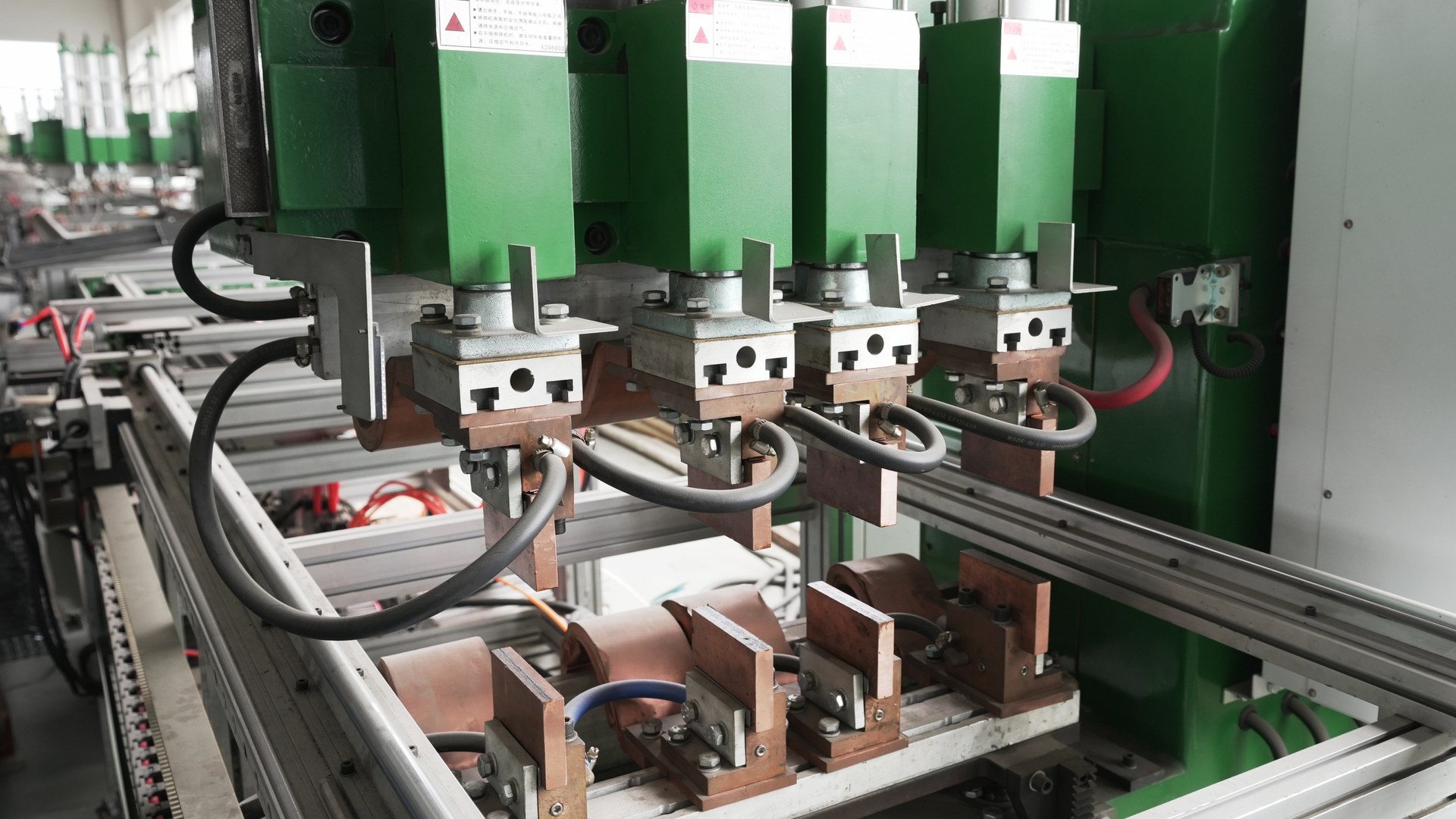
Powder Coating
Powder coating sprays dry polymer powder onto the wire, then bakes it in an oven until it melts into a tough, even layer. It is the workhorse finish for household wire products — and the one we use as our default at YankunMetal.
- Coverage — wraps corners, welds and wire intersections evenly, which is exactly where rust starts
- Durability — thick (typically 60–120 µm), chip-resistant, moisture-resistant
- Color — matte black, white, and any RAL color; consistent batch to batch
- Cost — moderate; the best durability-to-price ratio for most products
Dipping
Dipping submerges the wire product in a liquid coating (often plastisol or paint) and lets it cure. It is faster and cheaper per piece than powder coating.
- Coverage — decent, but coating thickness varies; drips and uneven edges are common
- Durability — depends heavily on the material and curing; plastisol is soft and grippy, paint dips are thinner
- Look — usually acceptable for utility items, less premium for retail
- Best for — low-cost, high-volume utility products where appearance matters less
Plating (Chrome, Zinc, Nickel)
Plating deposits a thin metal layer onto the wire through an electroplating bath. Chrome plating gives that bright, mirror-like retail look; zinc plating is a cheaper corrosion layer often used under paint.
- Coverage — excellent and uniform, but the layer is thin
- Durability — bright chrome shows water spots and scratches quickly in wet use; zinc is protective but dull
- Cost — chrome is one of the pricier finishes; zinc is economical
- Best for — retail display where a bright finish sells the product
Polishing (Bare Metal Finish)
Polishing removes the outer layer of the metal for a smooth, bare-iron or stainless look, usually with a clear protection or oil film.
- Coverage — the entire surface is exposed; any scratch breaks the protection
- Durability — lowest for humid use unless the product is stainless steel
- Look — clean, industrial, premium-feeling
- Best for — dry indoor display or stainless steel products that do not need a coating
Finish Comparison at a Glance
| Factor | Powder Coating | Dipping | Plating (Chrome) | Polishing (Bare) |
|---|---|---|---|---|
| Rust protection | High — thick, even, covers welds | Medium — varies with material | Medium — thin layer, scratches show | Low — needs stainless steel |
| Retail look | Clean matte or colored | Utility | Bright, mirror-like | Industrial, bare metal |
| Coverage of welds | Excellent | Fair | Good | None (exposed) |
| Durability in wet use | High | Medium | Medium-low | Low |
| Relative cost | Moderate | Low | High | Moderate |
| Best for | Bathroom, kitchen, humid storage | Low-cost utility runs | Retail display, giftware | Stainless steel items, dry display |
How to Choose by Use Environment
Bathroom Shelves and Accessories
Constant humidity, water splashes and cleaning chemicals. Powder coating is the safe default — it survives damp air and wipes down cleanly. Chrome looks premium but will water-spot in a steamy bathroom.
Kitchen Racks and Dish Racks
Heat, steam, grease and frequent washing. Choose powder coating for colored racks, or stainless steel with a polished finish if your price point allows. Avoid thin paint and bare iron in a kitchen.
Storage Baskets for Pantry and Closet
Mostly dry, occasional humidity. Powder coating still wins for durability and a clean retail look; matte black and white cover most markets. Dipping is acceptable only for low-cost utility programs.
Outdoor Mesh and Grill Racks
Full sun, rain, salt in coastal areas. Powder coating with outdoor-grade pre-treatment is the minimum; confirm the coating is UV-stable so it does not chalk or fade. Polished bare metal will not survive outdoors unless it is stainless.
The Rust-Prevention Checklist (for Buyers)

- Confirm the pre-treatment — degreasing and anti-rust conversion coating before the topcoat
- Ask for coating thickness — powder coating of 60 µm+ on household wire products is a good target
- Check welds — rust starts at welds; the coating must cover them, not bridge over them
- Match finish to environment — humid use gets powder coating; bright retail gets chrome; outdoor gets UV-stable powder
- Order a salt-spray or humidity test for large programs — a 48-hour humidity test is cheap insurance against a bad batch
Frequently Asked Questions
What is the most rust-resistant finish for wire products? For coated wire, powder coating with proper pre-treatment offers the best combination of coverage, thickness and cost. For bare metal, only stainless steel truly resists rust long-term.
Is powder coating or plating better? It depends on the goal. Powder coating wins on durability and rust protection; chrome plating wins on bright retail appearance. For bathrooms and kitchens, powder coating is usually the smarter choice.
Can I get custom colors? Yes. Powder coating supports any RAL color, and custom colors are standard for private-label programs.
Why do cheap wire racks rust quickly? Usually because the coating is thin, the pre-treatment was skipped, or the finish was never meant for that environment. The finish name matters less than how it was applied.
Bottom Line
There is no single "best" finish — there is the right finish for your product, price point and market. For humid household use, powder coating is the reliable default; for bright retail display, chrome plating; for stainless steel, a polished bare finish; for low-cost utility runs, dipping.
At YankunMetal we run our own powder-coating line in-house, so coating thickness, pre-treatment and color consistency are controlled from raw wire to finished rack — not outsourced to a third party that may cut corners.